



Layer Height in FDM Printing
Layer Height in FDM Printing
Layer height is one of the biggest factors in how 3Ds print looks and feel. It is the thickness of each individual layer the printer lays down as it builds the model from the bottom up.
Most people printing with a 0.4mm nozzle will use a layer height around 0.20mm. It is quicker, easier to run, and "good enough" if the goal is just to sell as many prints as quickly as possible.
We print at 0.12mm.
That difference might not sound like much on paper, but in practice it is very noticeable. Lower layer heights mean finer detail, smoother surfaces, and less visible layer lines. Curves come out cleaner, edges look sharper, and small features hold their shape much better.

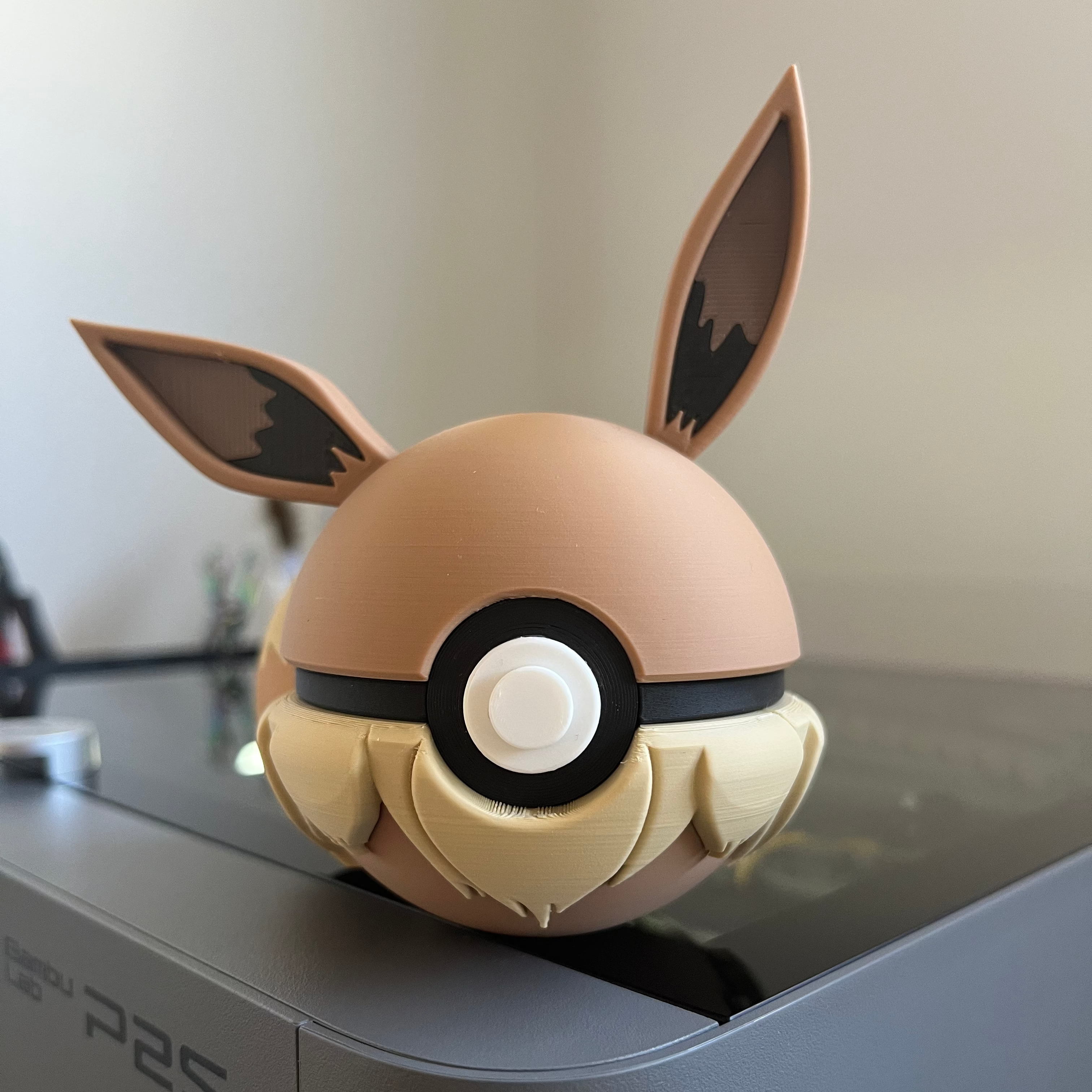
0.12mm vs 0.16mm. Same model, different layer heights. The lower layer height produces a smoother, more refined finish.
Once you know what to look for, the difference becomes obvious.
You will see it most clearly on curved surfaces. Rounded shapes exaggerate layer lines, which is why things like Monster Balls are a good reference point. Larger layers create visible stepping, while smaller layers tighten everything up so the surface looks much cleaner. It is also where lower quality prints show themselves straight away.
Layer lines are just part of FDM 3D printing. You are building an object layer by layer, so they will always be there to some degree.
Print speed also plays a big role, especially on overhangs and more complex areas. If you print too fast, the material does not have enough time to cool and settle properly, which leads to rough surfaces, sagging, or messy edges.
We slow things down where it matters.

Faster printing on overhangs can lead to sagging and rough, inconsistent surfaces.
 Slower, controlled printing keeps overhangs clean and properly formed.
The trade-off is time. Printing at 0.12mm already takes longer, and slowing things down further in adds to that again.
We are fine with that.
We do not speed things up at the cost of quality. If a print takes longer to get it right, that is what we do. It is one of the main reasons our pieces look the way they do, even if it means they take a little longer sometimes.
Not every print makes it through. If something is not right, it does not get sent out. Those pieces end up in the Graveyard instead, where they get a second life at a lower price rather than being wasted.
For us, layer height and print speed are not just settings. They are part of the standard we hold every print to.